

Creative Writing
Writers as artists, writers in the world.
Creativity, Clarity, Community
Writers in the Community
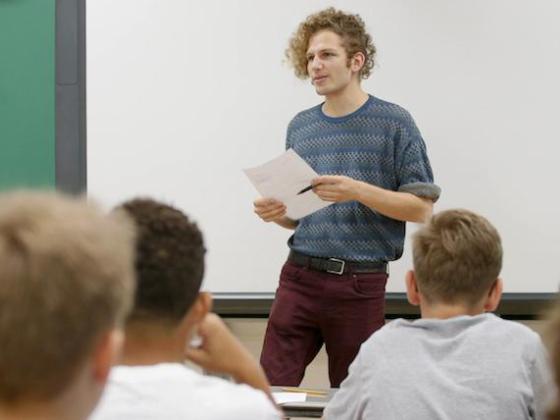
In Oberlin Writers in the Schools (WITS), students learn how to take their passion for writing into the local schools in meaningful and effective ways.
Distinguished Visitors
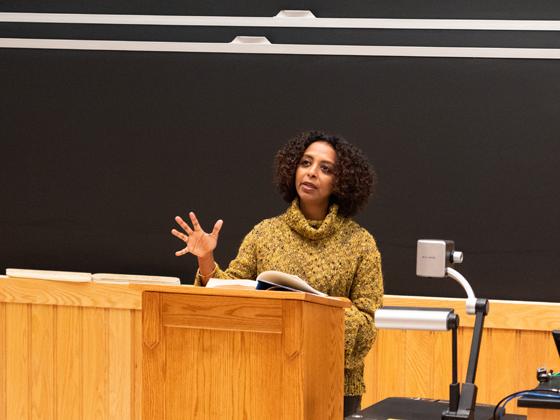
Students have the opportunity to connect with diverse visiting writers, including notable alumni, through campus readings, master classes, craft workshops, and individual consultations.
Featured Courses
Word & Image: Poetry in Dialogue with Visual Art
Join in the dynamic conversation between poetry and visual art and explore how visual art can inspire and challenge the making of poetic image and meaning. Through collaboration with the Allen Memorial Art Museum, students have the opportunity for close-looking at superb and diverse works of art across many cultures and centuries.
- Taught by
Race and Poetic Innovation
Explore the dynamic relationship between racial identity and creative inventiveness in poetry. Delve into contemporary and classic poems that broaden and challenge notions of race and representation. Experiment with using craft and technique to subvert conventional understandings of identity and racialized experience.
- Taught by
- Chanda Feldman
Plot & Structure
In this course, cross-listed with Comparative Literature, students read experimental contemporary fiction from around the world. Students gain an understanding of the historical basis of Western narrative structure, while simultaneously considering alternate models and learning to question established rules about managing plot and action. Students respond to texts both critically and creatively, with the goal of structuring their own narratives more boldly.
- Taught by
- Emily Barton
False Documents
A false document is “a technique employed to create verisimilitude in a work of fiction.” This can take many forms, such as epistolary novels, or fictions in the form of annotated poems, online reviews, author acknowledgments, wills, indexes, email threads, and beyond. How do we perceive verisimilitude as readers? How do we, as writers, fake it? In addition to examining literary false documents (and hoaxes and frauds), students will write a number of short fictions over the course of the semester.
- Taught by
- Tom Hopkins
Student Profiles
Paige Reinstein ’21
“In this tight-knit community we get to see each other grow (as both people and writers) from introductory courses as awkward first-years to capstone senior year. The faculty and students are some of the most supportive people in my life, and I love learning with them.”
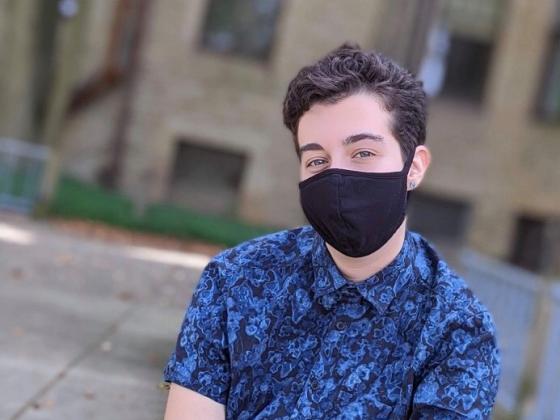
Fiona Warnick ’22
“I feel so consistently lucky to have such dedicated professors. Everyone I’ve worked with in the Creative Writing Program cares deeply about their students both as writers and as people. Classes are small, so you’re able to actually know and trust each other, which is important for productive workshopping.”
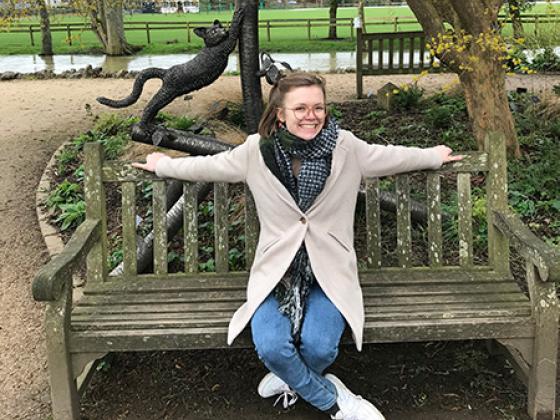
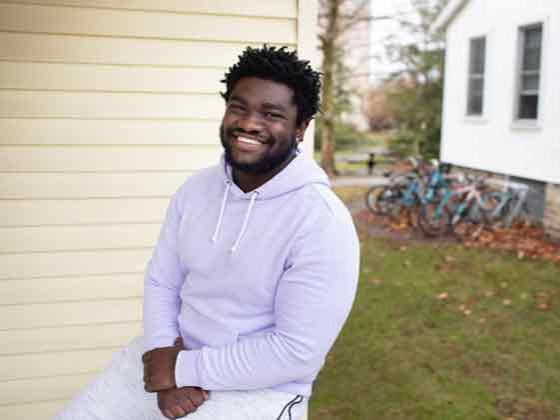
Khalid McCalla ’21
“From the professors to the students, everyone always wanted to see me and my writing grow and develop, but not at the expense of what made my voice unique. It's a warm and supportive community that only gets better the longer you're a part of it.”
Upcoming Creative Writing Events
Creative Writing Department Open House
What does Creative Writing at Oberlin look like?

Professor Tom Hopkins moderates an alumni panel on publishing and journalism in the first annual Creative Writing Program Career Fair.

Award-winning novelist and essayist Zadie Smith (White Teeth, NW, Grand Union) reads to a packed house at Finney Chapel.

Editorial board meeting for Two Groves Review, a new student publication dedicated to poetry, literary criticism, and writing about writing.

Our alumni have found notable success in the publishing world: these were only a few of the best-selling books by Obies published in 2020.
