
Hispanic Studies
Estudios literarios y culturales.
Fluency in Language, Literature, and Culture
One Community, Several Pathways
Interested in studying the wider Spanish-speaking world? Oberlin has four academic programs you can major in, and you can choose more than one: Hispanic studies, Latin American studies, comparative American studies, and comparative literature.

La Casa Hispánica
La Casa Hispánica, officially known as Harvey House or Spanish House, is a theme-based residence hall for students interested in learning and speaking Spanish. The Hispanic studies and Latin American studies departments often sponsor functions at the Casa for students eager to practice and improve their Spanish-speaking skills.
Featured Courses
¡Stop the Presses! Journalism in the Spanish-Speaking World
This course studies both the history and the practice of journalism in the Spanish-speaking world and analyzes issues relating to censorship, ethics, politics and entertainment. Students engage in a wide-range of journalistic writing including the popular nota roja, sports journalism, the long interview, the political expos and the literary-oriented crica. A portion of the course will be dedicated to journalistic writing.
- Taught by
- Sergio Gutiérrez Negrón
Cien Años de Soledad
In this course, students engage with Gabriel García Márquez’s bestselling novel to explore larger questions of Latin American history and politics, as well as the novel’s influence on world literature. The course helps students gain the cultural context to more fully understand the book and to deconstruct the phenomenon of magical realism.
- Taught by
- Claire Solomon ’98
Bad Education: Female Instruction in Ibero-America
This course explores the history of women’s access to education in the Spanish-speaking world from the sixteenth-century to the present. Although patriarchal and Catholic mandates of domesticity and submissiveness historically structured hegemonic female instruction, alternative models always found a way of guaranteeing female access to knowledge, orthodox and unorthodox. We will study key figures who, through religion, politics, or culture, impacted the formal and informal education of women.
- Taught by
- Ana María Díaz Burgos
Crime, Sex and Ghosts of the Past: Contemporary Spanish Fiction and Film
Spain’s transition to democracy following Franco’s death in 1975 was characterized by two contradictory phenomena: a sudden moral, sexual, and political liberation, and a collective “pact of oblivion” that indefinitely postponed any reckoning with the dictatorial past. This course studies the film and fiction of post-Franco Spain, rife with sex and crime but also haunted by the ghosts of history. Includes works by Martín Gaite, Vázquez Montalban, Llamazares, Almodóvar, Medem, and Saura.
- Taught by
- Sebastiaan Faber
Student Profiles
From Oberlin to Colombia
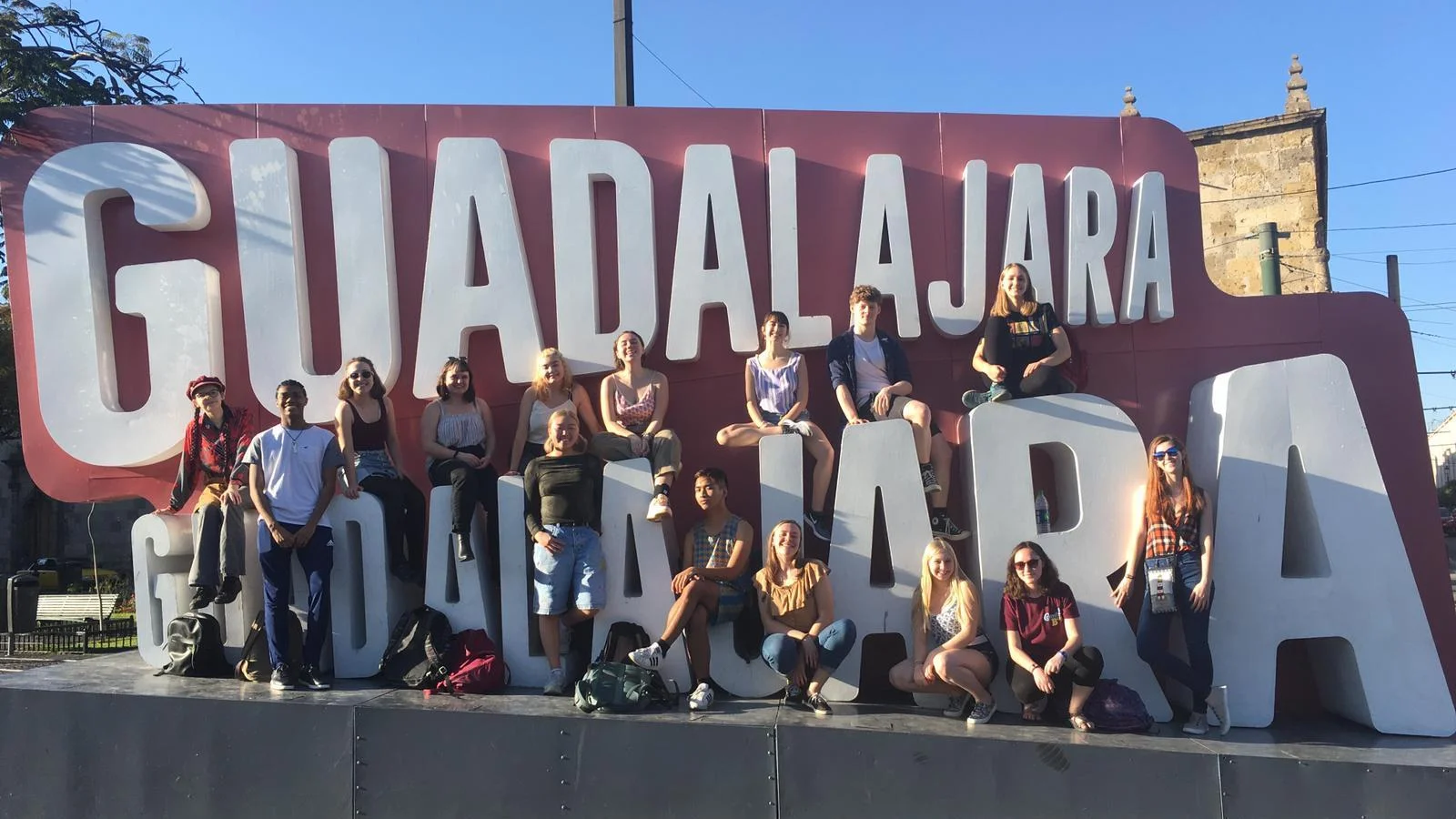
Brianne Cotter ’20, a Hispanic studies major, was awarded a Fulbright English Teaching Assistantship in Colombia. Cotter credits her involvement with the Department of Hispanic Studies and SITES as reasons for her interest in teaching, language learning, and travel. During the 2017 winter term, she spent time in Guadalajara, Mexico, with Oberlin professors and peers.
Fulbright Teaching Fellow
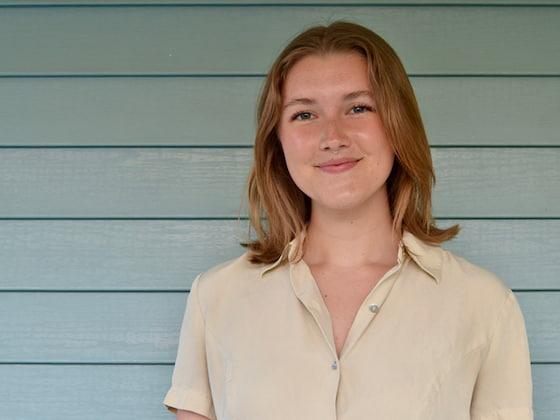
After graduation, Amanda Medendorp ’19, a Hispanic studies and law and society double major, will teach English in Mexico as a Fulbright fellow. She was drawn to the fellowship because of her previous experience in Spanish in the Elementary Schools (SITES), a program run by Kim Faber.
Nonprofit Fundraising in Bogotá
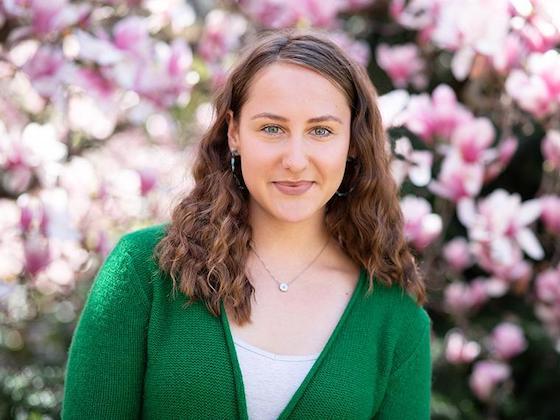
At Oberlin, Dylan Mehri ’18 majored in politics and Hispanic studies, played on the varsity football and club rugby teams, and worked as a peer advisor in the Career Development Center. After graduating, Dylan worked as the international fundraising coordinator for Niñas Sin Miedo (Fearless Girls), a nonprofit organization in Bogotá, Colombia.
Upcoming Hispanic Studies Events
Hispanic Studies Open House
What does Hispanic Studies at Oberlin look like?

Professors Kristina Mani, Sebastiaan Faber, and Renee Romano collaborated on a StudiOC cluster “Forms of Justice: Democracy, Historical Memory, and the Legacies of Violence.”

Professor Sergio Gutiérrez Negrón (left) speaks with Nina Harris ’20 and a guest at Harris’s exhibition of portraits of life in San Lucas Tollman, from Central Guatemala.

The senior symposium offers graduating Oberlin students the chance to present their research to peers and a faculty audience.

Professor Claire Solomon leading a course on contemporary Latin American literature.
