
News & Events
Featured Story
The Dark Side of Orpheus
March 7, 2024

Featured Photo
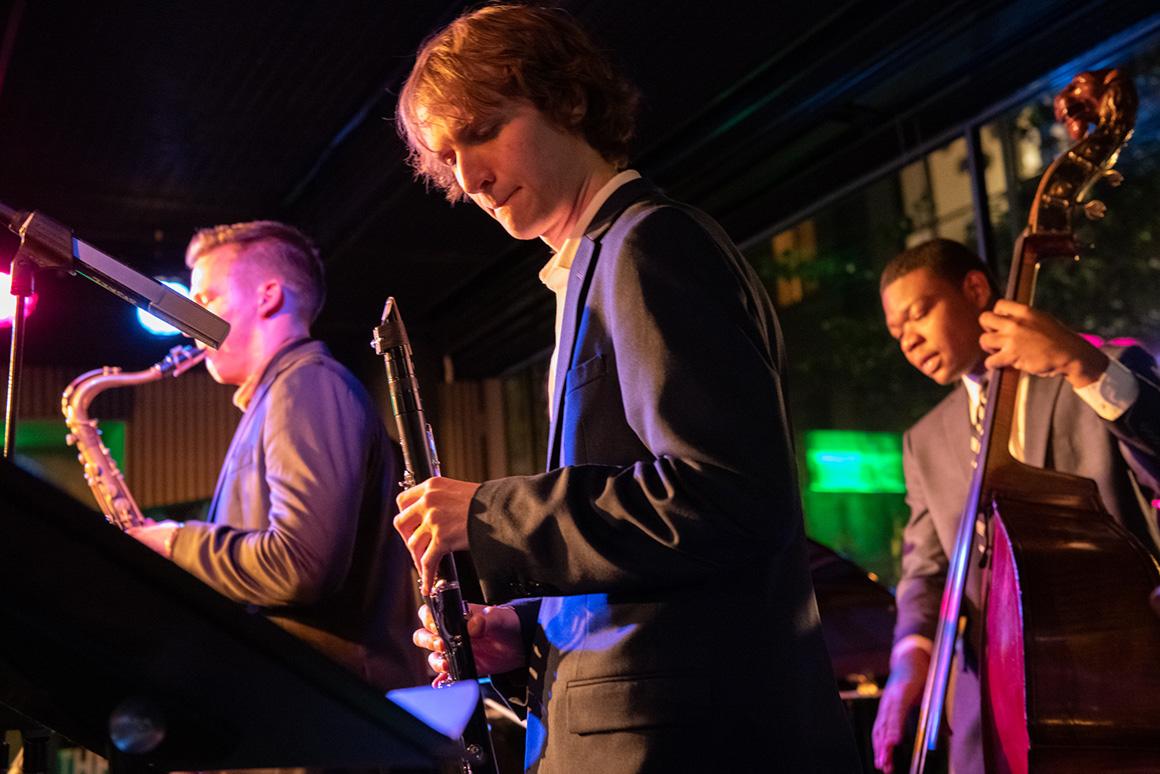
Recent News
Five Faculty Earn Excellence in Teaching Honors
March 14, 2024

Oberlin Alumni and Faculty Celebrated for Composition Achievements
March 5, 2024
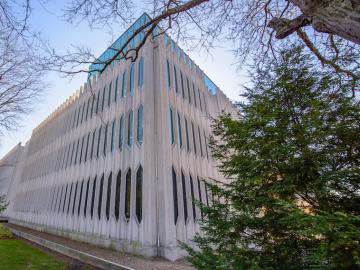
Oberlin Faculty, Alums Win 2024 Grammy Awards
February 6, 2024

Events
The Origins of the War in Ukraine & the New Global Instability
Series
Dance 2023–24 Season
Theater 2023–24 Season
Commencement Celebrations Calendar
Faculty and Staff Notes
Joshua Freedman Contributes to International Relations Roundtable
March 20, 2024
Assistant Professor of Politics Joshua Freedman contributed to the Robert Jervis International Security Studies Forum roundtable on Michelle Murray’s book, The Struggle for Recognition in International Relations.
Margaret Kamitsuka Article Published in "Hypatia"
March 20, 2024
Professor Emeritus of Religion Margaret Kamitsuka has published "Vulnerability, Recognition, and the Ethics of Pregnancy: A Theological Response" in the feminist philosophy journal Hypatia. She analyzes how notions of vulnerability and grievability are mobilized in Christian anti-abortion writings and in feminist philosophy.
David Forrest Interviews Sociologist John Arena
March 13, 2024
Associate Professor of Politics David Forrest recently interviewed sociologist John Arena. The interview centers on Arena's new book Expelling Public Schools: How Antiracist Politics Enable School Privatization in Newark. The book and the interview offer a deep dive into the politics of public education in Newark and debates over the role of antiracism in contemporary progressive movements.
In the Spotlight
This section highlights Oberlin students and young alumni. These students share how Oberlin shaped their decision to seek a fellowship or to pursue a particular course of study and subsequent career path. From winning awards and traveling the world to earning advanced degrees in a wide range of disciplines, these students reflect the benefits of an Oberlin education.
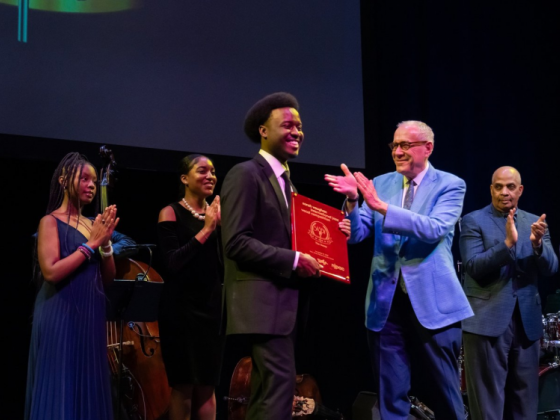
Tyreek McDole ’23 Wins Sarah Vaughan International Jazz Vocal Competition
December 7, 2023
Recent Oberlin Conservatory graduate Tyreek McDole ’23 has won the 2023 Sarah Vaughan International Jazz Vocal Competition. The award includes a $5,000 cash prize and a one-of-a-kind platform for embarking on a career in the music business.
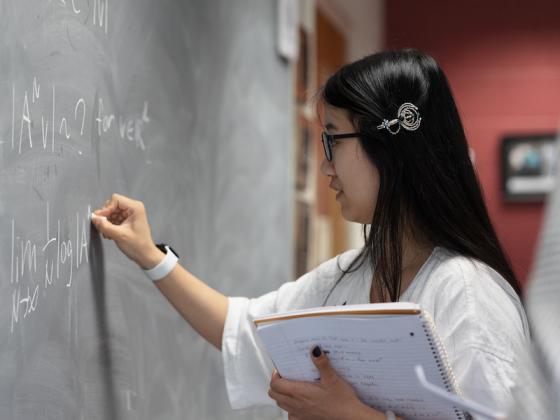
The Course that Changed Everything
October 25, 2023
Music and math brought Alina Zhu to Oberlin. An irresistible challenge defined her final year on campus.
Recent Features
The Art of Difficult Decisions
January 29, 2024
Three Things with Jillian Scudder
January 24, 2024
For Sake's Sake
November 13, 2023
Magazines
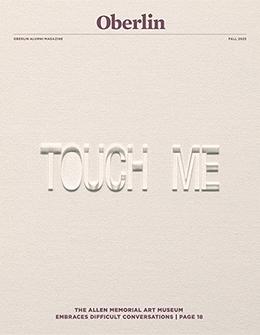
Oberlin Alumni Magazine
Established in 1904, Oberlin Alumni Magazine is published three times a year by Oberlin’s Office of Communications and distributed to alumni, parents, and friends of Oberlin College.
Oberlin Conservatory Magazine
Oberlin Conservatory magazine is published annually by Oberlin’s Office of Communications in partnership with Oberlin Conservatory of Music. It is distributed to alumni, parents, and friends of Oberlin Conservatory.

OCLIPSE: The 2024 Solar Eclipse at Oberlin

Photo courtesy of the Oberlin College Archives
On Monday, April 8, a total solar eclipse will cross North America, leaving parts of Ohio—especially Oberlin—in the path of totality. Starting at 3:13 PM, the moon will completely cover the sun for more than three minutes.
The campus community will celebrate the occurrence with OCLIPSE, a two-hour viewing party on Bailey Field. Remember, it’s not safe to look directly at the sun unless you are using eye protection specifically for solar viewing.