Contemporary Music
Upcoming Contemporary Music Events
Concert: Oberlin Creative Music Lab
07
May
6:00 pm to 7:15 pm EDT
Birenbaum Innovation and Performance Space
Concert: OINC
08
May
7:30 pm EDT
David H. Stull Recital Hall
Webcast Available
Senior Recital: Julia Collins, TIMARA
10
May
7:00 pm EDT
Wilder Hall (Student Union)
Contemporary Music News
Oberlin Alumni and Faculty Celebrated for Composition Achievements
March 5, 2024
The American Academy of Arts and Letters awards prizes and funding to four alumni and a member of the Composition Department faculty.
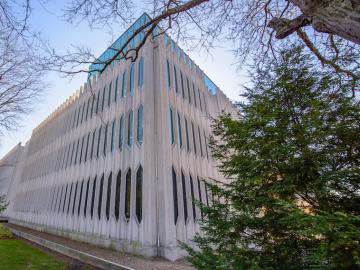
Oberlin Musicians Collaborate at California’s Hidden Valley Institute
February 1, 2024
Winter Term projects culminate in performances involving TIMARA, dance, chamber music, and jazz.
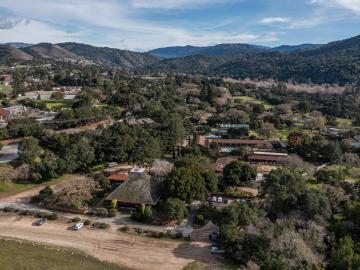
Semester Ends with a Packed Performance Calendar
December 8, 2023
Oberlin Conservatory’s student and faculty performers have been filling most concert venues throughout the campus over the last week. During these final five bustling days before students head into reading period and then exams, this explosion of activity feels something akin to the thrilling finale of a fireworks display on New Year's Eve. So, join in—even from a distance. All of these concerts are free and open to the public, and all but one of them can be streamed live at concert time at oberlin.edu/livestream.
Contemporary Music Facilities
Bibbins Hall
Oberlin Conservatory’s main teaching building has 40 studios and 10 classrooms. Private instruction, ensemble coaching, and classroom instruction take place here.
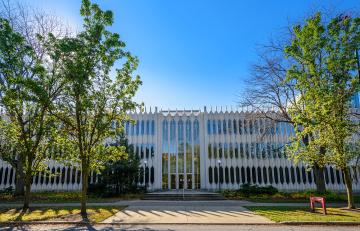
Clonick Hall
Clonick Hall is a superior recording studio and performance space housed in the conservatory’s Bertram and Judith Kohl Building.
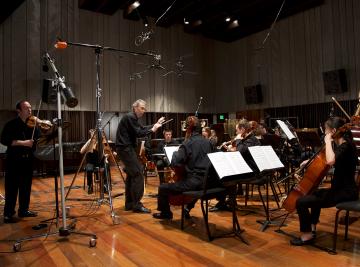
Conservatory Central Unit
The Central Unit is part of the Oberlin Conservatory’s main complex and includes classrooms, rehearsal rooms, studios, and more.
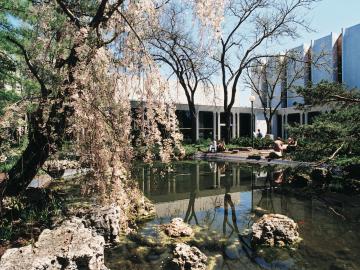
Lily McGregor Skybar
The Lily Smith McGregor Skybar is a sleek, airy space for conservatory deans, faculty, and staff to meet informally or for small group sessions, workshops, and social functions.
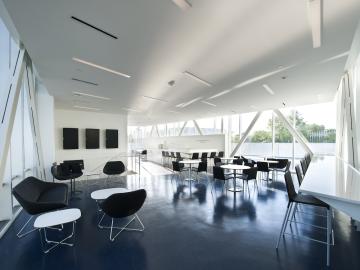
TIMARA Performance Technology Lab
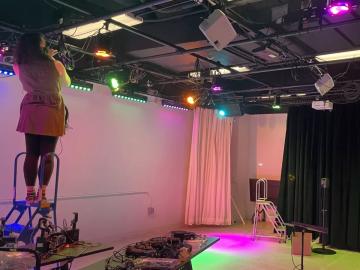
A classroom by day, the TIMARA Performance Technology Lab is regularly transformed by students creating sound art installations or presenting their junior or senior recital.
TIMARA Studios
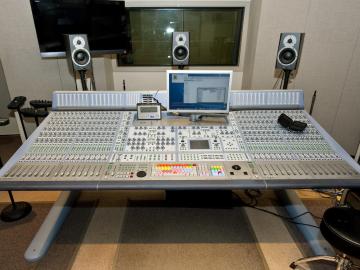
TIMARA (Technology in Music and the Related Arts) students have access to six studios, a networked lab of Macintosh computers, and an array of music software and gear. The spaces include: control room recording studio multichannel studio analog synth studio media production studio makerspace...
Warner Concert Hall
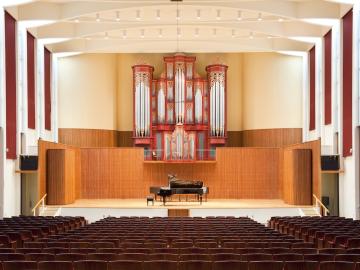
This 496-seat hall adjoins the Conservatory of Music and is used for numerous student and faculty recitals, as well as recording sessions.