Keyboard Studies
Upcoming Keyboard Studies Events
Concert: ChamberFest!
27
Apr
2:30 pm EDT
David H. Stull Recital Hall
Webcast Available
Concert: ChamberFest!
27
Apr
4:30 pm EDT
David H. Stull Recital Hall
Webcast Available
POSTPONED - Senior Recital: Qi Qi, piano
27
Apr
7:30 pm EDT
Warner Concert Hall
Keyboard Studies News
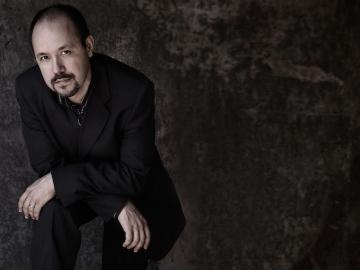
José Ramón Méndez Appointed to Piano Faculty at Oberlin
April 18, 2024
Oberlin Conservatory is delighted to announce that pianist José Ramón Méndez will join the faculty as Associate Professor of Piano in the fall 2024 semester.
Five Faculty Earn Excellence in Teaching Honors
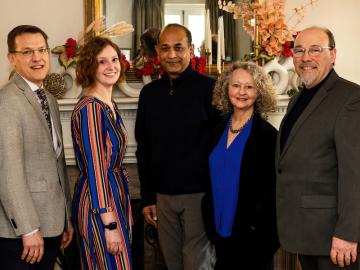
March 14, 2024
Annual awards celebrate distinguished and sustained leadership across the college and conservatory.
Renowned Organist David Hurd is Featured Artist for Annual David Boe Memorial Concert
March 1, 2024
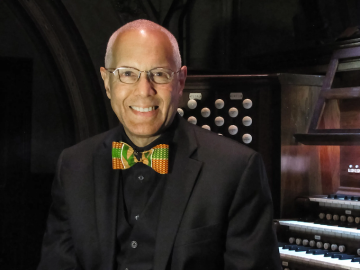
During his visit to Oberlin, Hurd will give a public performance on Sunday, March 3 at 4:30 p.m. as well as a master class for Oberlin organists on the Fisk organ in Finney Chapel, Saturday, March 2 at 10 a.m. Both the master class and the concert are free and open to the public.
Keyboard Studies Facilities
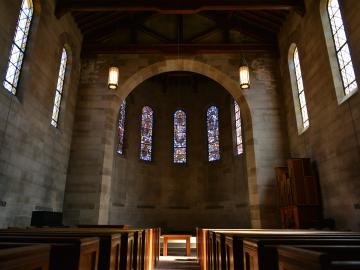
Fairchild Chapel
The centerpiece of Bosworth Hall is Fairchild Chapel, a 150-seat facility that features a pipe organ based on building principles of the early 17th century.
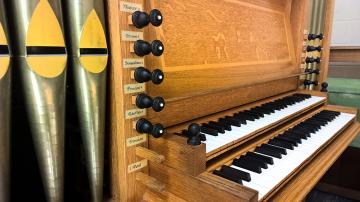
Kulas Organ Center
The Kulas Organ Center has 13 practice rooms that are equipped with organs of various designs, both mechanical action and electro-pneumatic.
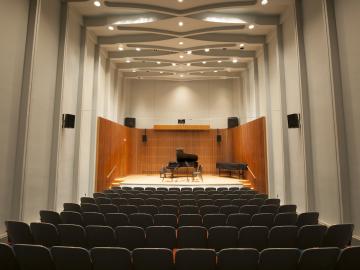
Kulas Recital Hall
With seating for 148, intimate Kulas is ideal for chamber music performances and solo recitals.
Warner Concert Hall
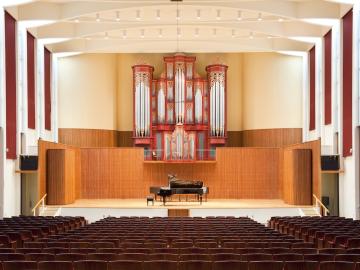
This 496-seat hall adjoins the Conservatory of Music and is used for numerous student and faculty recitals, as well as recording sessions.